How Neuro-Symbolic AI Is Transforming Circular Design and Sustainable Manufacturing

At Intended Future, we have a front-row seat to a profound transformation in sustainable manufacturing and circular design. For years, companies in decision-critical industries like automotive, aerospace, and beyond have wrestled with how to turn sustainability promises into systemic, measurable action. Until recently, AI approaches were either powerful but opaque or auditable but brittle. Neuro-symbolic AI is shifting this paradigm by fusing humanlike reasoning with the scale and precision of machine learning—reshaping how materials, products, and processes are designed, monitored, and continually improved for circularity.
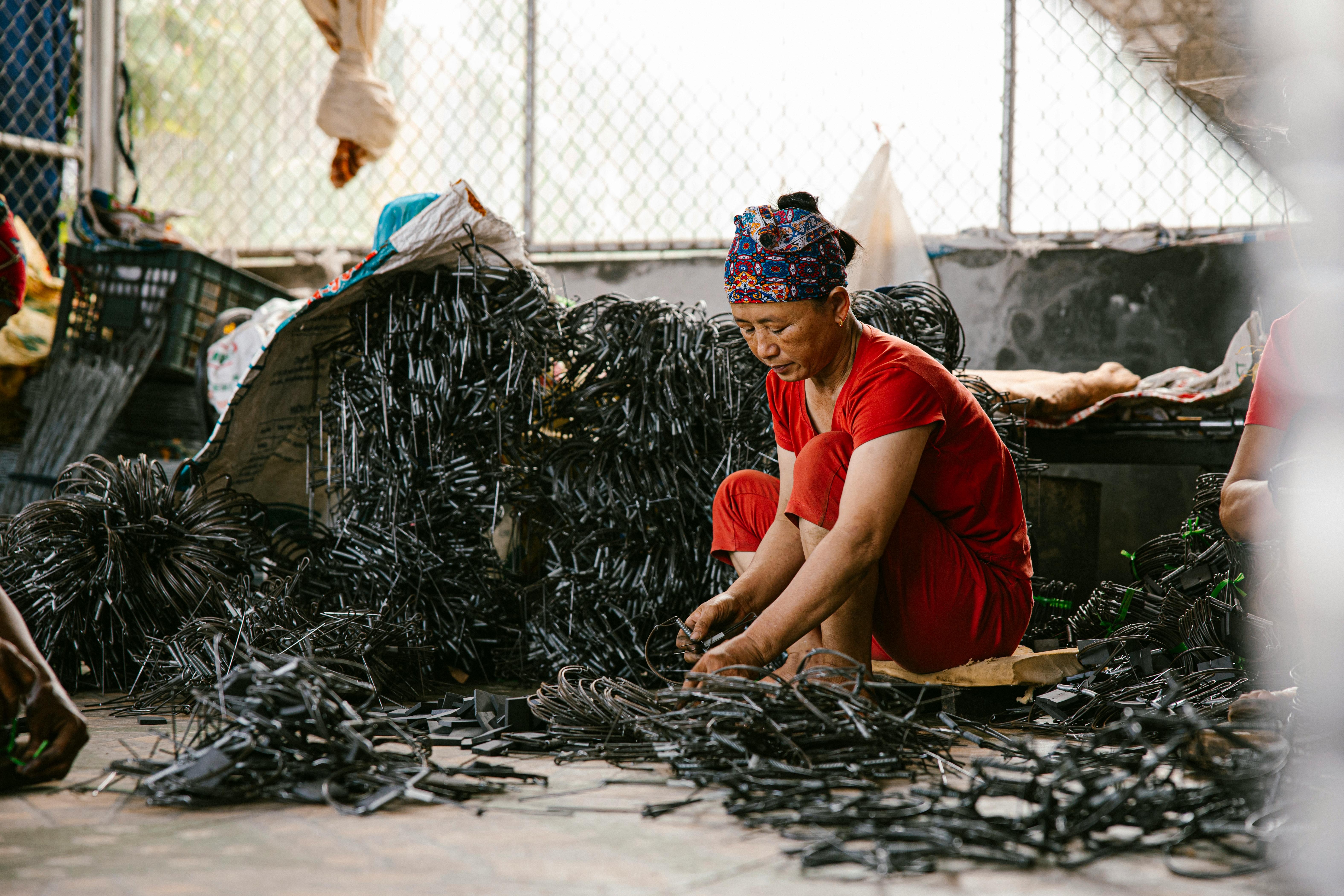
Why Traditional Approaches Fall Short in Circular Design
The traditional manufacturing model has always focused on throughput, uniformity, and cost. These priorities led to linear product lifecycles: extract, make, use, and dispose. As pressures for sustainability and compliance increase—from regulations like the EU’s upcoming Digital Product Passport, to market demand—manufacturers must design for longevity, reuse, and recyclability. Yet many current tools can’t bridge the gap between raw data and nuanced, design-oriented decisions:
- Black-box AI models excel at spotting patterns, but struggle to explain their choices—making it hard to satisfy regulators or win trust.
- Rule-based systems offer traceability, but can’t adapt to new defects, complex materials, or customer-driven trends.
- Disconnected feedback loops mean waste and design flaws often go unnoticed until late in production, driving up costs and emissions.
What Is Neuro-Symbolic AI, and Why Does It Matter?
Neuro-symbolic AI blends the best of both worlds—neural networks that learn from high-dimensional data (like images or sensor streams) with symbolic frameworks built from human expertise.
- Neural learning: Uncovers patterns and defects invisible to rule-based checklists, allowing for sophisticated, context-sensitive analysis.
- Symbolic reasoning: Implements explicit design rules, standards, and customer preferences, which can be traced, audited, and adapted with ease.
At Intended Future, we use this hybrid approach in our Agent Q platform to analyze everything from material choices to join geometry—turning subjective design reviews into explainable, customer-weighted recommendations.
Key Challenges in Sustainable Manufacturing and Circularity
From our work across design and production teams, we see a few key hurdles:
- Subtle Quality Monitoring: Hidden or context-specific flaws often dodge even the most advanced machine vision or statistical models.
- Lifecycle Design and Traceability: Products rarely ship with a “memory” of their supply chain, assembly, repair, and re-use potential.
- Market-Aligned Decisions: Too often, sustainability and circularity choices ignore authentic customer acceptance and end up as compliance checkboxes.
How Neuro-Symbolic AI Is Powering the Circular Revolution
We believe decisions rooted in both experience and evidence drive lasting, scalable impact. Here is how neuro-symbolic AI enables that shift:
1. Interpretable Quality Evaluation, Not Black Boxes
- Granular Attribute Scoring: Agent Q evaluates attributes like Gap, Flush, Parallelism, Reflection Alignment, and Edge Quality directly from images or CAD, producing a clear 1–10 scoring system for each quality attribute and a combined customer impression score.
- Actionable Fix Paths: The platform goes beyond detection: for each issue, it recommends a quick and a deep fix path, all backed by transparent, editable explanations.
- Customer-Weighted Assessments: Results can be tuned to specific market segments, ensuring that repairs or design changes truly reflect diverse regional preferences and standards.
With this transparency, teams move quickly from problem discovery to action, while maintaining fully auditable reports for any target market.

2. Circular Design Simulation and Customer Acceptance
- Lifecycle Thinking—From Concept to Reuse: By integrating physical, mechanical, and environmental rules directly into symbolic AI models, we help design teams simulate not just the first, but the second, third, and fourth lives of a product.
- Market-Proven Data: Through our Customer Acceptance Index, we capture true market feedback from thousands of respondents, shaping both the AI models and the resulting improvement strategies for circularity. No more designing in a bubble; instead, circular strategies reflect real user values.
- Editable, End-to-End Workflows: Every workflow and recommendation is editable, ensuring each region, department, or design stage gets exactly what it needs for effective, sustainable decisions.
3. Closing the Loop: Real-Time Decision Support and Feedback Cycles
- Multimodal Integration: Our system combines vision, language, customer data, sensor inputs, and CAD files to make holistic, context-aware decisions.
- Continuous Improvement: Feedback from both users and outcomes is used to incrementally refine models and recommendations, closing the loop between design, deployment, and returned product flows.
- Compliance by Design: Each decision is documented and explainable, streamlining compliance with ever-tougher environmental and circularity regulations.

Transparency Changes the Game
For us, the difference is clear: it is not enough to build fast, powerful AI. Design teams, manufacturers, and CXOs need clarity, control, and adaptability. Agent Q ensures that every attribute, issue, and recommendation is:
- Fully Explainable: Underlying logic and evidence are accessible—not hidden inside a neural "black box".
- Customizable at Every Level: Teams can adapt checklists, instructions, scoring methods, and export formats—by user, department, or region.
- Multilingual and Cross-Market Ready: Supporting US, German, and more markets so teams work with relevant context.
Action Steps for Design and Manufacturing Teams
- Identify Quality and Circularity Pain Points: Are current data-driven models or rules failing? Pinpoint areas needing more nuanced, transparent decision support.
- Enable Neuro-Symbolic Quality Evaluation: Deploy Agent Q or similar neuro-symbolic platforms as a side-by-side expert throughout your design-make-use-reuse lifecycle.
- Collect Real Customer Data: Use market-segmented surveys to drive customer acceptance and sustainability weighting in your models.
- Standardize and Edit: Customize and edit reports, instructions, and workflows for internal adoption and regulatory audit-readiness.
- Integrate Feedback: Use feedback loops to adapt decision models over time, keeping them sharp and reflecting both operational and market realities.
The Real-World Shift: From Quality Alone to Quality + Sustainability
The most exciting change we are seeing is an industry-wide pivot—from focusing narrowly on manufacturing quality to embedding sustainability and circularity from day one. Agent Q’s approach is already at work with premium automotive brands, where our platform achieves remarkable parity with experienced human experts, all while providing the levers to adjust for market trends and sustainability goals. We know from experience that linking perceived quality and circularity delivers far more robust, customer-centered outcomes for our partners.
How to Future-Proof Your Decision-Making
As you build your sustainable manufacturing and circular design strategies, we believe you should seek platforms that deliver:
- Explainability, not just accuracy—to gain trust from regulators and your own teams.
- Customizability—so you can adapt quickly to new standards, markets, or materials.
- Integration of authentic, real-world feedback—to ensure decisions are rooted in both evidence and actual customer values.
To dive deeper into the mechanics and business value of neuro-symbolic AI, see our previous discussion on why human-like judgment matters for automotive quality.
Conclusion: The Circular Future Starts with Judgment at Scale
We are only scratching the surface of what is possible when deep, human-like intelligence meets the demands of sustainable manufacturing and circularity. By combining explainable, evidence-based reasoning with machine-scale pattern recognition, neuro-symbolic AI turns design for sustainability into a living, evolving process—not just a compliance box to tick. At Intended Future, we are excited to help decision makers and designers unlock these new capabilities, making every product lifecycle more intelligent, more circular, and far more aligned with what customers and the planet truly need.
Ready to see how interpretability and scalable expertise can close the loop for your sustainability goals? Contact Intended Future to see neuro-symbolic expert agents in action, or explore building a custom workflow for your biggest decision challenges.